


















PRESENTED BY THE ASSOCIATION OF BLACK CARDIOLOGISTS

Explore the Curriculum

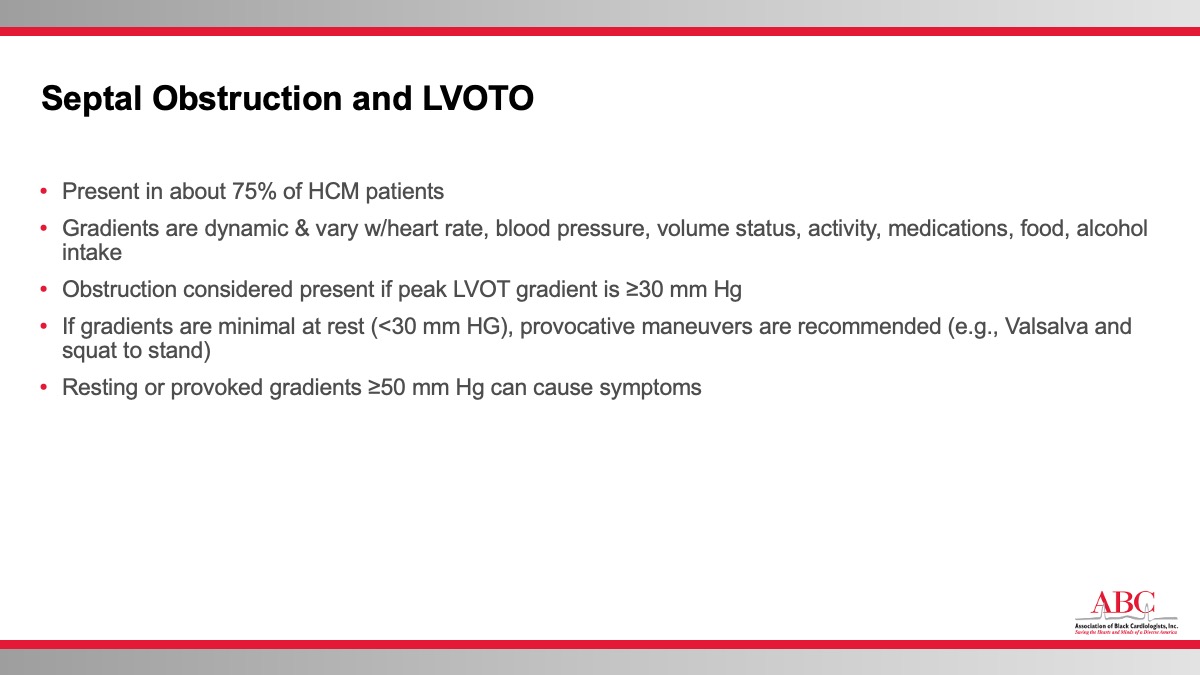
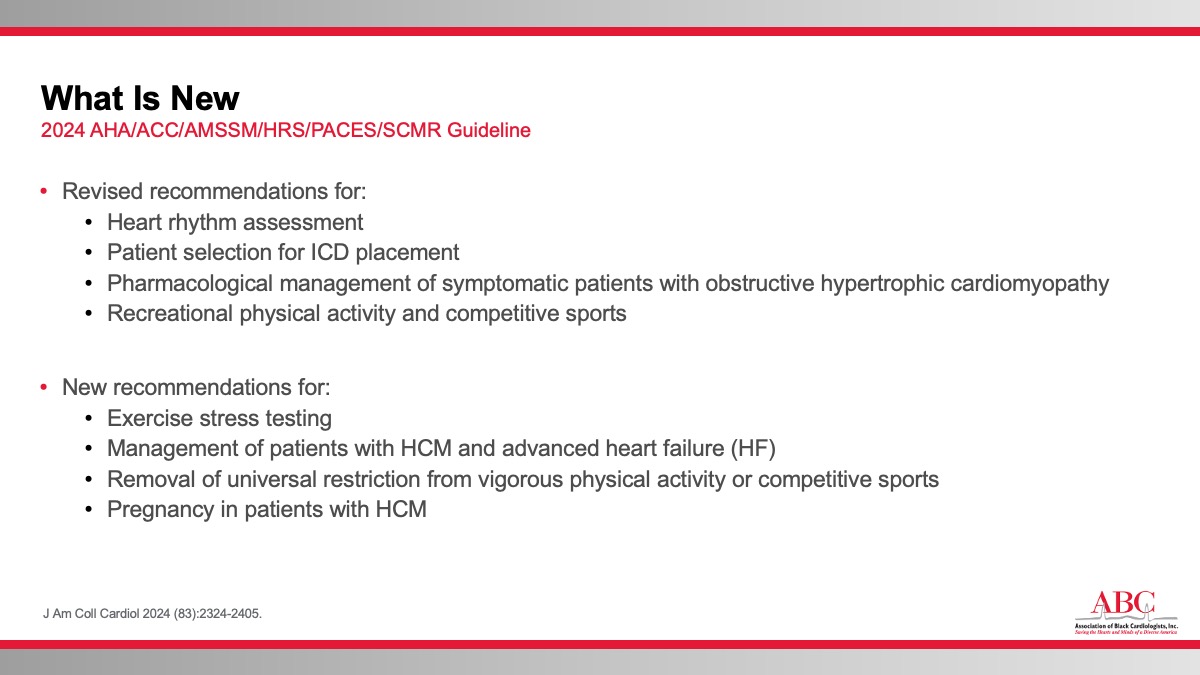
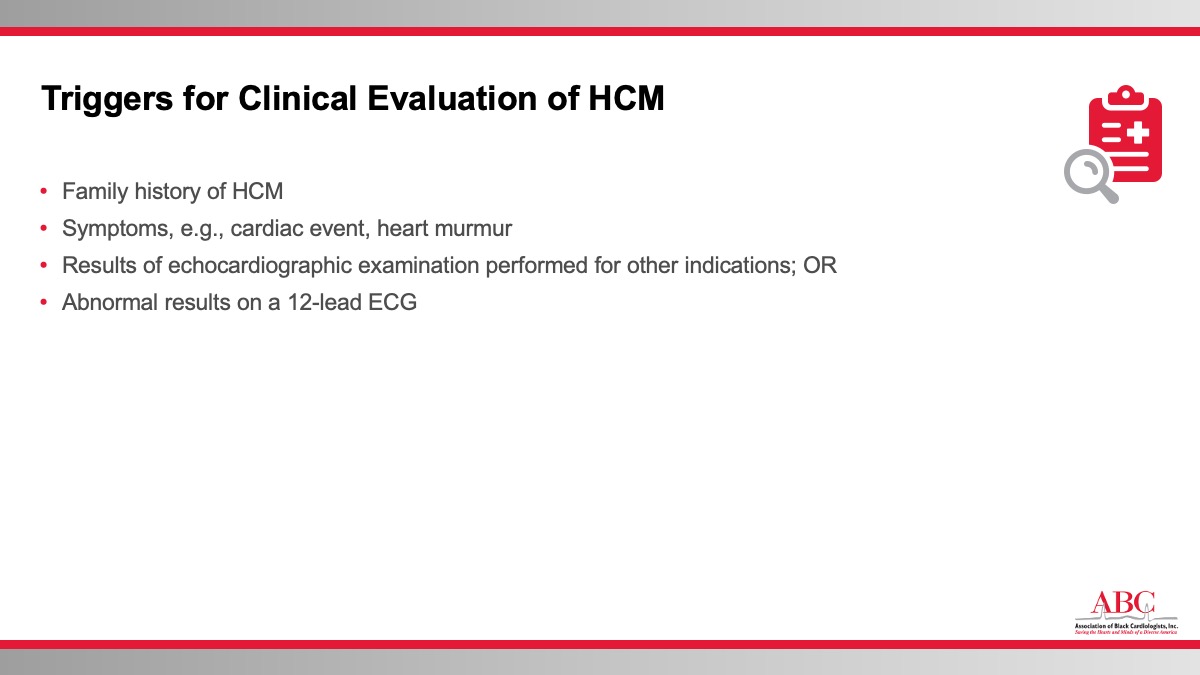
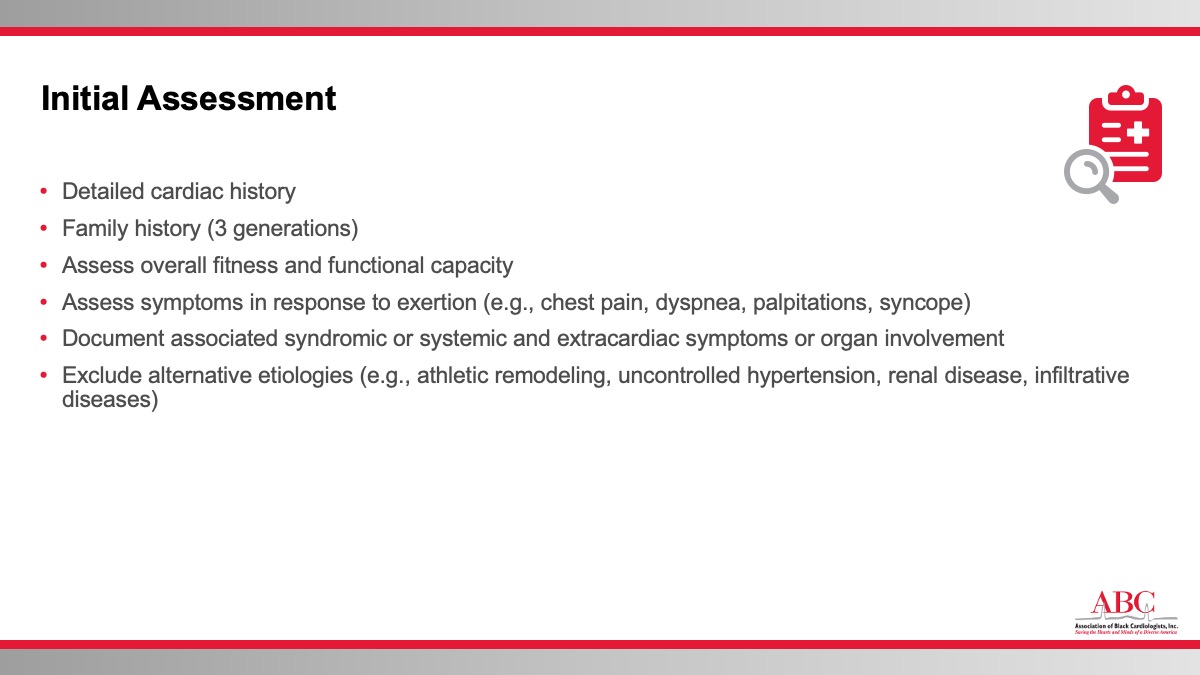
Gain a deeper understanding of the strategies for managing HCM.
Review materials developed by experts to learn about screening for, diagnosing, and managing HCM.

Download The curriculum

1/50
2/50
3/50
4/50
5/50
6/50
7/50
8/50
9/50
10/50
11/50
12/50
13/50
14/50
15/50
16/50
17/50
18/50
19/50
20/50
21/50
22/50
23/50
24/50
25/50
26/50
27/50
28/50
29/50
30/50
31/50
32/50
33/50
34/50
35/50
36/50
37/50
38/50
39/50
40/50
41/50
42/50
43/50
44/50
45/50
46/50
47/50
48/50
49/50
50/50
Prev
NEXT

Continuing Medical Education (CME)

Attend a virtual webinar to collect 1.0 AMA PRA Category 1 Credit
Collect credit now
The goal of this activity is to improve the knowledge and competence of learners in
effort to improve screening for and optimize treatment for patients with hypertrophic
cardiomyopathy (HCM).
Upon completion of this activity, participants should be able to:
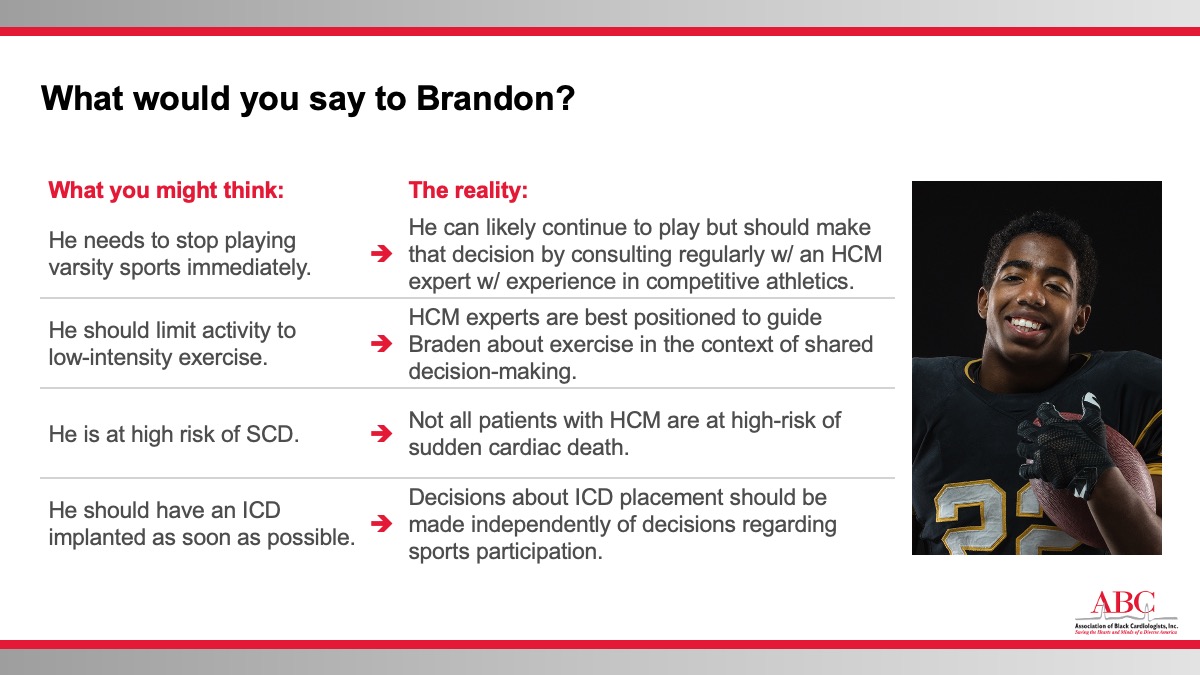
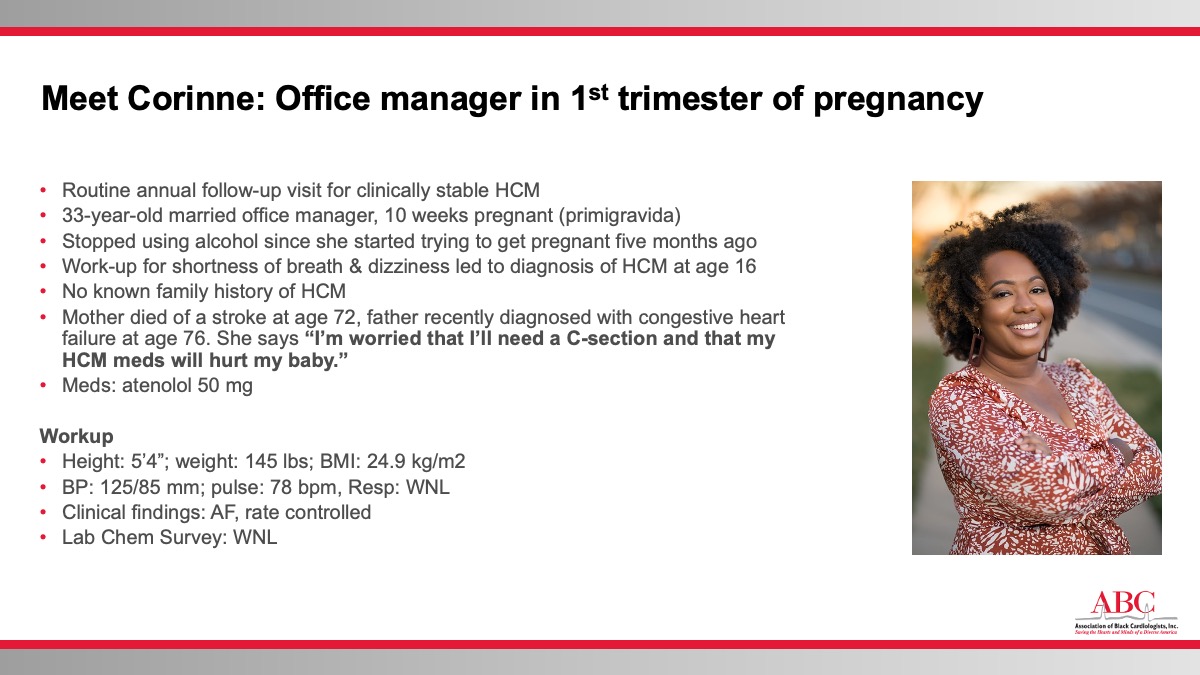
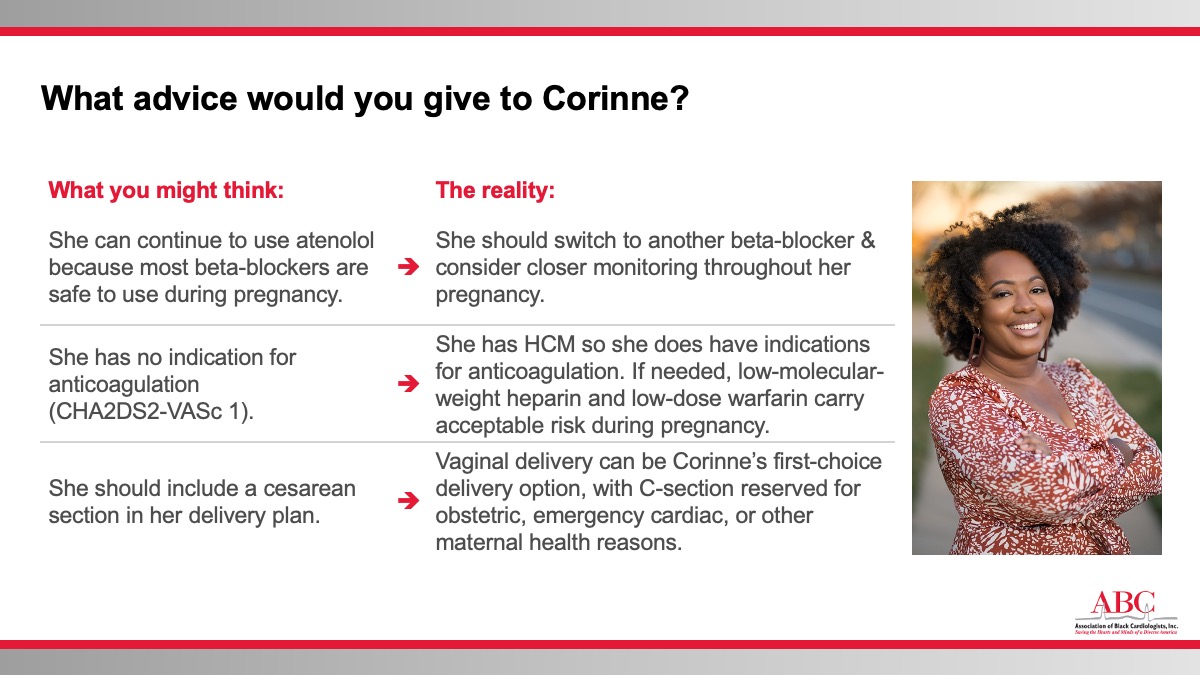
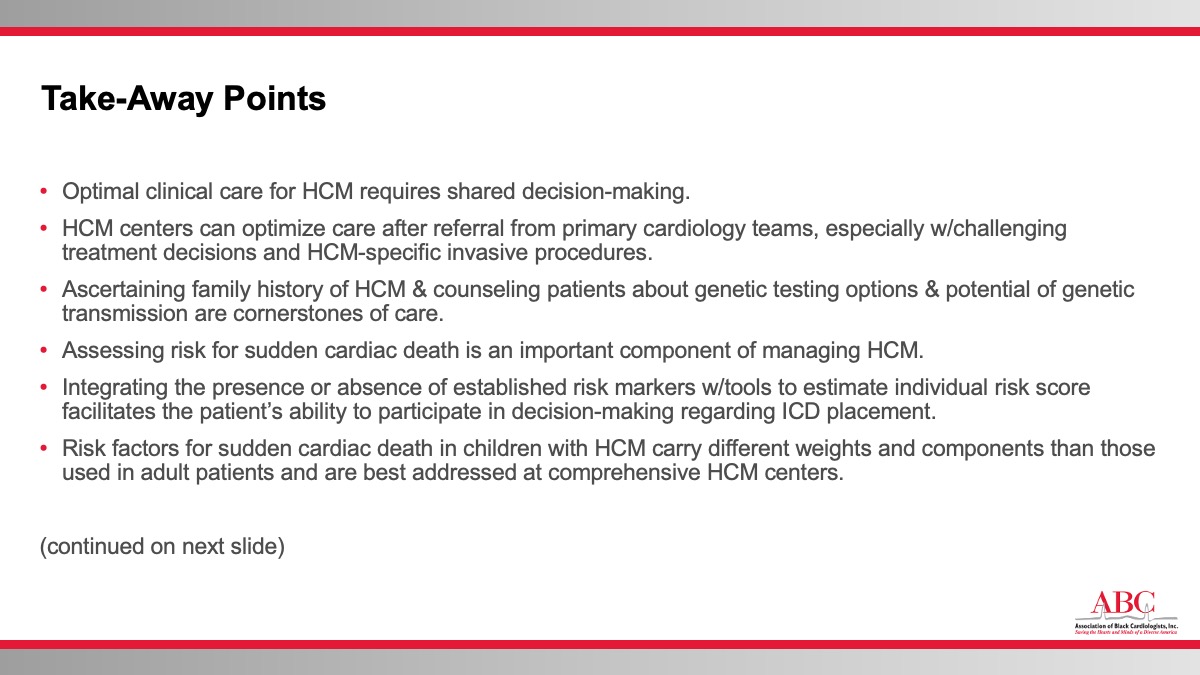
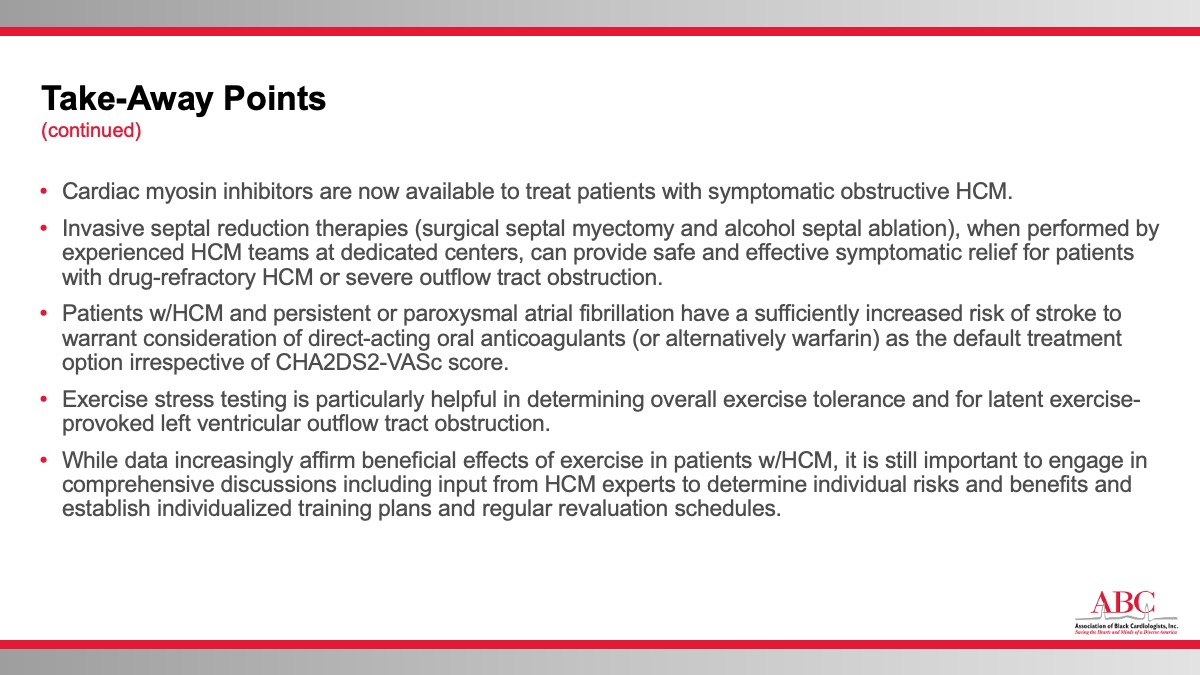
  • Recognize guideline recommended screening and diagnosis criteria for HCM, particularly in Black populations.
  • Discuss latest guideline recommendations in HCM clinical practice.
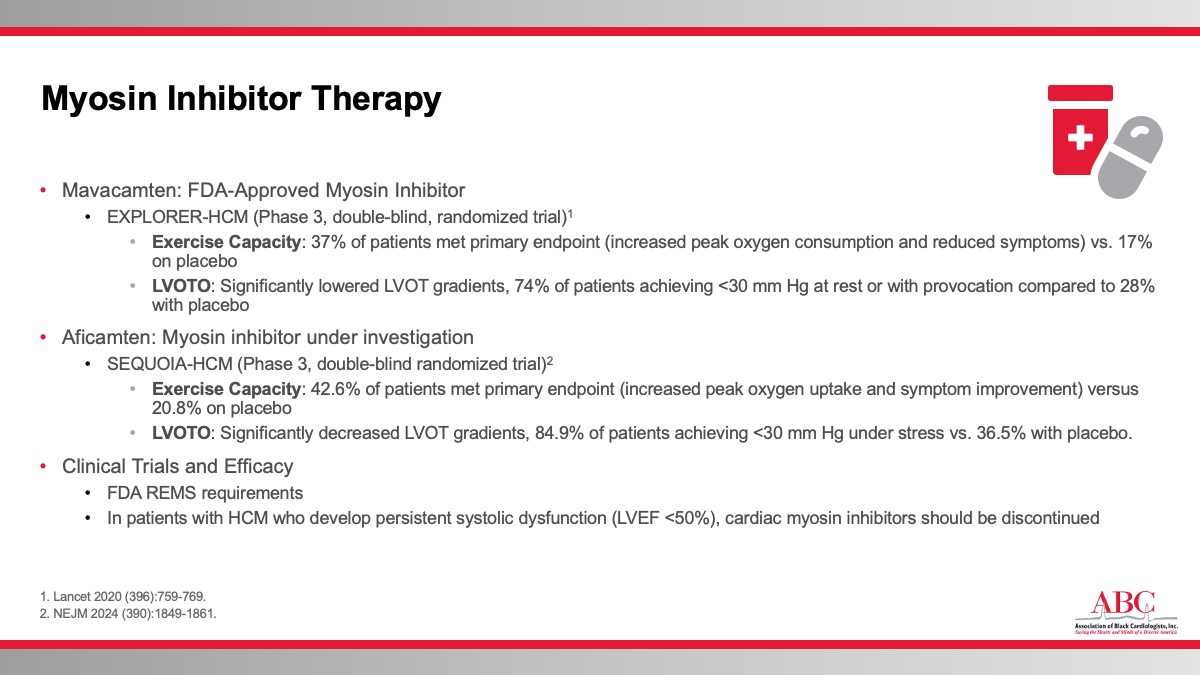
  • Discuss new and emerging therapies and HCM guideline-recommended management strategies.
Accredidation Statement:
The Association of Black Cardiologists, Inc. is accredited by the Accreditation Council for Continuing Medical Education (ACCME) to provide continuing medical education for physicians.
Designation Statement
ABC designates this enduring material for a maximum of 1.00 AMA PRA Category 1 Credit(s)TM. Physicians should claim only the credit commensurate with the extent of their participation in the activity.
This activity is supported by an educational grant from Bristol Myers Squibb.
Release: March 9, 2026    |    Expiration: March 9, 2027

Did You Know?

The first step of Beating HCM is to know the details of the condition.

Diagnosis

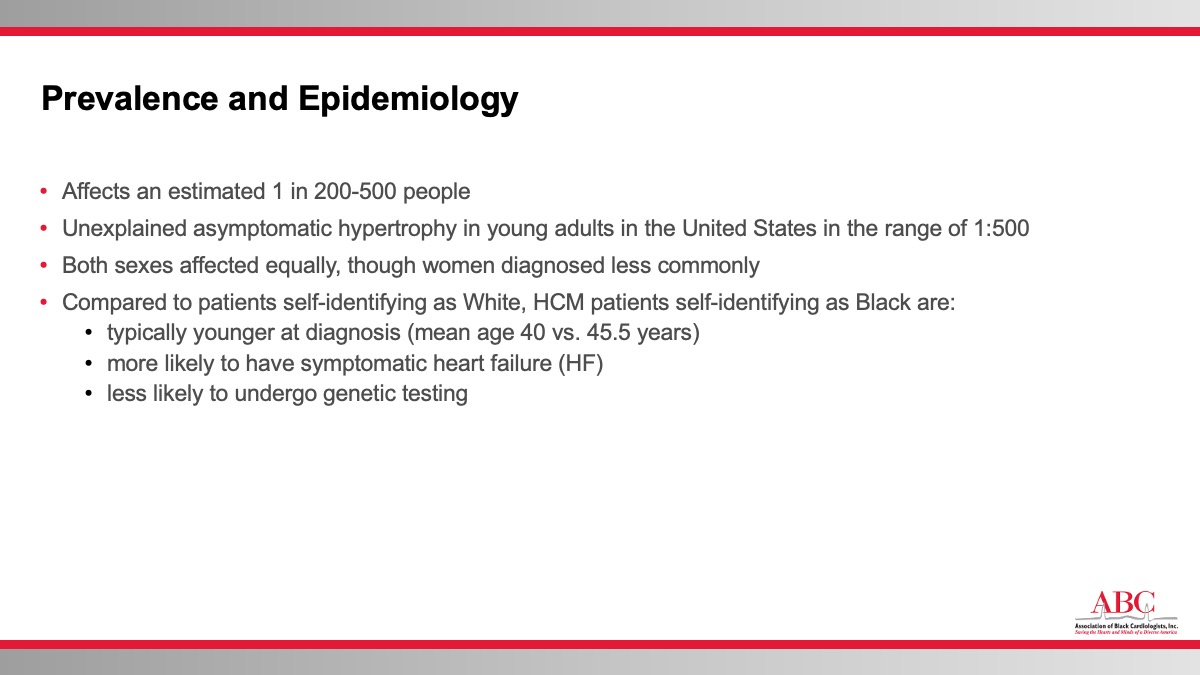
Up to 85% of HCM cases remain undiagnosed in the general population—despite the disease affecting approximately 1 in 500 people, making it one of the most common genetic heart disorders.

DISPARITY

Black patients with HCM are more likely to present with heart failure but are less likely to receive life-saving interventions highlighting critical racial disparities in care.

ACCESS

HCM can often be diagnosed non-invasively yet many at-risk patients go untested due to barriers like insurance status, transportation, or provider awareness.

Explore Frequently Asked Questions